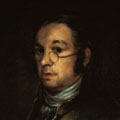
John Trusler

"Gold, thou bright son of Phœbus, source
Of universal intercourse;
Of weeping Virtue soft redress:
And blessing those who live to bless:
Yet oft behold this sacred trust,
The tool of avaricious lust;
No longer bond of human kind,
But bane of every virtuous mind.
What chaos such misuse attends,
"O cara, cara! silence all that train,
Joy to great chaos! let division reign."

As our future welfare depends, in a great measure, on our own conduct in the outset of life, and as we derive our best expectations of success from our own attention and exertion, it may, with propriety, be asserted, that the good or ill-fortune of mankind is chiefly attributable to their own early diligence or sloth; either of which becomes, through habit in the early part of life, both familiar and natural. This Mr.

See John the Soldier, Jack the Tar,
With sword and pistol arm'd for war,
Should Mounseer dare come here;
The hungry slaves have smelt our food,
They long to taste our flesh and blood,
Old England's beef and beer.
Britons to arms! and let 'em come,
Be you but Britons still, strike home,
"Happy the man whose constant thought,
(Though in the school of hardship taught,)
Can send remembrance back to fetch
Treasures from life's earliest stretch;
Who, self-approving, can review
Scenes of past virtues, which shine through
The gloom of age, and cast a ray
To gild the evening of his day!

By the success of Columbus's first voyage, doubt had been changed into admiration; from the honours with which he was rewarded, admiration degenerated into envy. To deny that his discovery carried in its train consequences infinitely more important than had resulted from any made since the creation, was impossible. His enemies had recourse to another expedient, and boldly asserted that there was neither wisdom in the plan, nor hazard in the enterprise.

"The drunkard shall come to poverty, and drowsiness shall clothe a man with rags."
Proverbs, chap. xxiii. verse 21.

"The hand of the diligent maketh rich."—Proverbs, chap. x. verse 4.

[1] The attendant black boy gave the foundation of an ill-natured remark by Quin, when Garrick once attempted the part of Othello. "He pretend to play Othello!" said the surly satirist; "He pretend to play Othello! He wants nothing but the tea-kettle and lamp, to qualify him for Hogarth's Pompey!"

"Madness! thou chaos of the brain,      }
What art, that pleasure giv'st and pain?  }
Tyranny of fancy's reign!
Mechanic fancy! that can build
Vast labyrinths and mazes wild,
"Think not to find one meant resemblance there;
We lash the vices, but the persons spare.
Prints should be priz'd, as authors should be read,
Who sharply smile prevailing folly dead.
So Rabelais laugh'd, and so Cervantes thought;
So nature dictated what art has taught."
Syndicate content