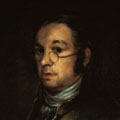
Bernhard Berenson

Of Orcagna it is difficult to speak, as only a single fairly intact painting of his remains, the altar-piece in S. Maria Novella. Here he reveals himself as a man of considerable endowment: as in Giotto, we have tactile values, material significance; the figures artistically exist. But while this painting betrays no peculiar feeling for beauty of face and expression, the frescoes in the same chapel, the one in particular representing Paradise, have faces full of charm and grace. I am tempted to believe that we have here a happy improvement made by the recent restorer.

1439-1507. Pupil of Neri di Bicci; influenced by Benozzo Gozzoli and Alesso Baldovinetti.

1486-1531. Pupil of Pier di Cosimo; influenced by Fra Bartolommeo and Michelangelo.

About 1370-1425. Follower of Agnolo Gaddi and the Sienese.

We are happily far better situated toward Fra Angelico, enough of whose works have come down to us to reveal not only his quality as an artist, but his character as a man. Perfect certainty of purpose, utter devotion to his task, a sacramental earnestness in performing it, are what the quantity and quality of his work together proclaim.

1494-1541. Pupil of Andrea del Sarto; influenced by Pontormo and Michelangelo.

Turning our attention first to movement—which, by the way, is not the same as motion, mere change of place—we find that we realise it just as we realise objects, by the stimulation of our tactile imagination, only that here touch retires to a second place before the muscular feelings of varying pressure and strain.

Syndicate content