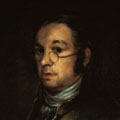
Samuel D. Humphrey

Coloring Back Grounds--Transparent ditto--Gilding Dissolvent Solution for removing Specks--Solarized Impression--To Purify Water--Cleaning Mercury--Adhesive Paper--Black Stain for Apparatus--Sealing Wax for Bottles--Rouge--Rotten Stone--Potassa Solution--Hyposulphite Solution--Substitute for do.--Gilding Solution--Solution for increasing the Brilliancy of the Daguerreotype--Bleaching Solution;--Cold Gilding--Neutralizing Agents--Buff Dryer--Keeping Buffs in order--Cleaning Buckskins--Reflector for taking Views.

The following method of producing Daguerreotypes has by some been named as above. Most experienced operators have been long acquainted with the effect of the vapor of ammonia upon the chemically coated plate. I will here insert Mr. W. H. Hewett's plan of proceeding. This gentleman, in referring to it (published in 1845), says:

Bromine and its Compounds--Iodine and its Compounds--Chlorine and its compounds--Cyanide of Potassium--Hyposulphite of Soda--Hyposulphite of Gold--Nitric Acid--Nitro-Muriatic Acid--Hydrochloric Acid--Hydrofluoric Acid--Sulphuric Acid--Accelerating Substances--Liquid Sensitives--Dry Sensitives, etc., etc.

In consideration of the importance of galvanized plates, I shall endeavor to give as plain and concise a manner of manipulation as possible. For some time it was a question among the operators generally, as to the beneficial result of electrotyping, the Daguerreotype plate, but for a few years past our first operators have found it a fact, that a well electro-silvered surface is the best for producing a portrait by the Daguerreotype.

Light--Optics--Solar Spectrum--Decomposition of Light--Light, Heat, and Actinism--Blue Paper and Color for the Walls of the Operating Room--Proportions of Light, Heat, and Actinism composing a Sunbeam--Refraction--Reflection--Lenses--Copying Spherical Aberration--Chromatic Aberration.

To any desired quantity of chloride of silver in water add, little by little, cyanide of potassium, shaking well at each addition, until all the cyanide is dissolved. Continue this operation, and add the cyanide, until all the precipitate is taken up and held in solution.

This solution is now ready for the plate-cup. Enough water may be added to cover any sized plate when held perpendicular in the cup. The strength of the solution may be kept up by occasionally adding the chloride of silver and cyanide of potassium. There should alway be a very little excess of the cyanide.

The following process possesses some interest, and is worthy a trial from operators. M. Natterer, of Vienna, discovered a process for obtaining proofs on iodized plates with the chloride of sulphur, without the use of mercury.

It is necessary, first of all, to know that you have a chemical which is capable of producing good results when in skillful hands. For this reason it is best to prepare your own quick, after some formula which is known to be good. Those quick-stuffs which contain chloride of iodine are noted for their depth of tone while they probably operate with less uniformity than those which are destitute of it. For operating under ordinary circumstances, especially with an inferior light, probably no accelerator is more quick and sure than Wolcott's.

Polishing the Daguerreotype Plate--Buffing the Plate--Coating the Plate--Exposure of the Plate in the Camera--Position--Developing the Daguerreotype--Exposure to Mercury--Removing the Coating--Gilding or fixing the Image--Coloring Daguerreotype.

Syndicate content